In recent years, earthquakes have become more frequent and devastating, highlighting the crucial need for seismic bracing systems in buildings and structures. A seismic bracing system is a critical component of a structure’s overall seismic design, designed to resist the lateral forces generated during an earthquake and ensure the structural integrity and safety of the building. These systems are installed to prevent the collapse of a building during seismic activity, minimizing damage and protecting the occupants inside.
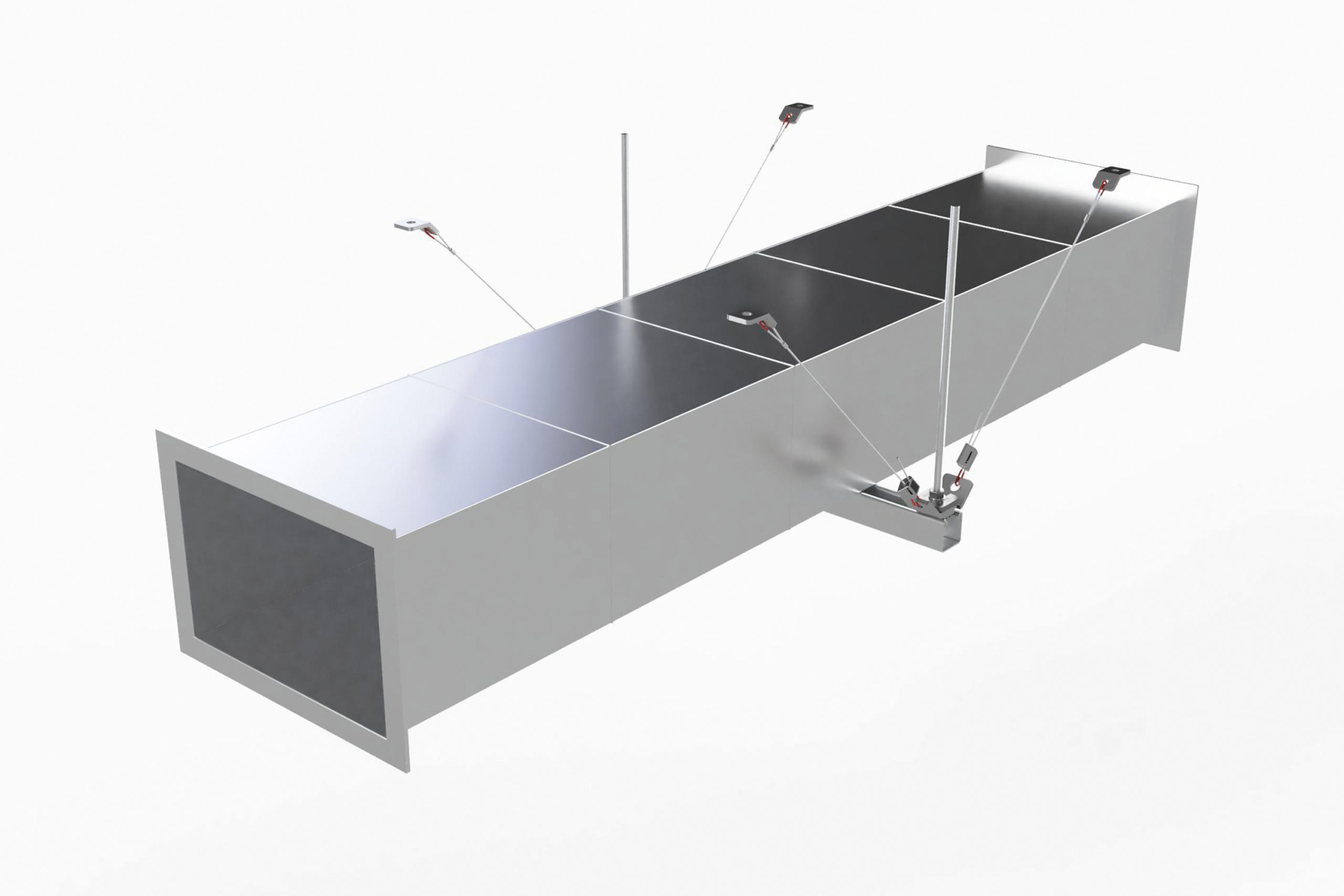
The primary function of a seismic bracing system is to provide additional support and stability to a building in the event of an earthquake. These systems are typically made up of a series of braces, beams, and connections that work together to absorb and dissipate the seismic forces, reducing the sway and movement of the structure. By strategically placing these braces throughout the building, engineers can effectively control the lateral displacement and distribute the seismic forces to prevent structural damage.
One of the key benefits of a seismic bracing system is its ability to protect not only the structure itself but also the people inside. By minimizing the impact of seismic forces, these systems help to ensure the safety and well-being of occupants during an earthquake. Without proper bracing, a building is at a higher risk of collapsing or sustaining serious damage, potentially putting lives at risk.
There are several types of seismic bracing systems available, each with its own unique advantages and applications. One common type is the concentric brace system, which consists of diagonal braces that are connected to the beams and columns of a building. These braces are designed to resist both tension and compression forces, providing stability in multiple directions. Another type is the eccentric brace system, which features braces that are offset from the centerline of the beams and columns. This design allows for greater flexibility and movement during an earthquake, absorbing more energy and reducing the overall impact on the structure.
In addition to protecting buildings and occupants during earthquakes, seismic bracing systems also play a crucial role in minimizing downtime and repair costs. By preventing structural damage, these systems help to ensure that a building can quickly resume normal operations after an earthquake. This is particularly important for critical infrastructure such as hospitals, emergency response centers, and government buildings, where downtime can have serious consequences.
Despite their importance, seismic bracing systems are often overlooked or underutilized in building design and construction. Many older buildings were not designed with seismic forces in mind, leaving them vulnerable to collapse during an earthquake. Retrofitting these buildings with a proper bracing system is essential to bring them up to current seismic standards and ensure the safety of occupants.
In new construction, incorporating a seismic bracing system into the design is a cost-effective way to enhance the overall resilience of a building. By investing in these systems upfront, building owners can potentially save on repair costs and downtime in the event of an earthquake. Additionally, many jurisdictions now require the use of seismic bracing systems in certain types of buildings, further emphasizing their importance in ensuring structural safety and stability.
In conclusion, seismic bracing systems are a vital component of a building’s seismic design, helping to protect both the structure and its occupants during earthquakes. These systems work by dissipating seismic forces and controlling the lateral movement of the building, minimizing damage and ensuring structural integrity. Investing in a proper seismic bracing system is essential for both new construction and retrofitting older buildings, as it can greatly enhance the resilience and safety of a structure in the face of seismic activity. By understanding the importance of seismic bracing systems, building owners and engineers can ensure the structural stability and safety of buildings in earthquake-prone regions.